
Academic research has become increasingly digital. From literature reviews to citation management and manuscript editing, researchers rely on specialized tools to improve efficiency and accuracy. But with dozens of platforms available, choosing the right academic research software can feel overwhelming.
This guide reviews the top academic research software in 2026, compares their features, and explains which type of researcher each tool serves best.
What Is Academic Research Software?
Academic research software includes tools that help researchers:
- Search and discover papers
- Manage references and citations
- Generate literature reviews
- Edit and improve manuscripts
- Analyze research data
- Check grammar and academic tone
Some platforms specialize in one function. Others combine multiple features into an integrated research environment.
Top Academic Research Software (2026 Edition)
Below are the most widely used and discussed tools in academic publishing.
1️⃣ ResearchPal


Best for: All-in-one AI research assistance
ResearchPal is designed as a comprehensive academic research software platform. It combines:
- AI-powered literature review generation
- Semantic academic search
- Paper insights extraction
- Reference and in-text citation generation
- Library management
- Chat with PDF functionality
- AI-powered academic writing tools
Unlike single-purpose tools, ResearchPal integrates research discovery, writing, and citation management into one workflow.
Strengths:
- End-to-end research workflow
- Literature review automation
- Built-in citation management
- PDF analysis
Limitations:
- Focused specifically on academic research (less general writing support outside academia)
2️⃣ Paperpal


Best for: Academic language editing
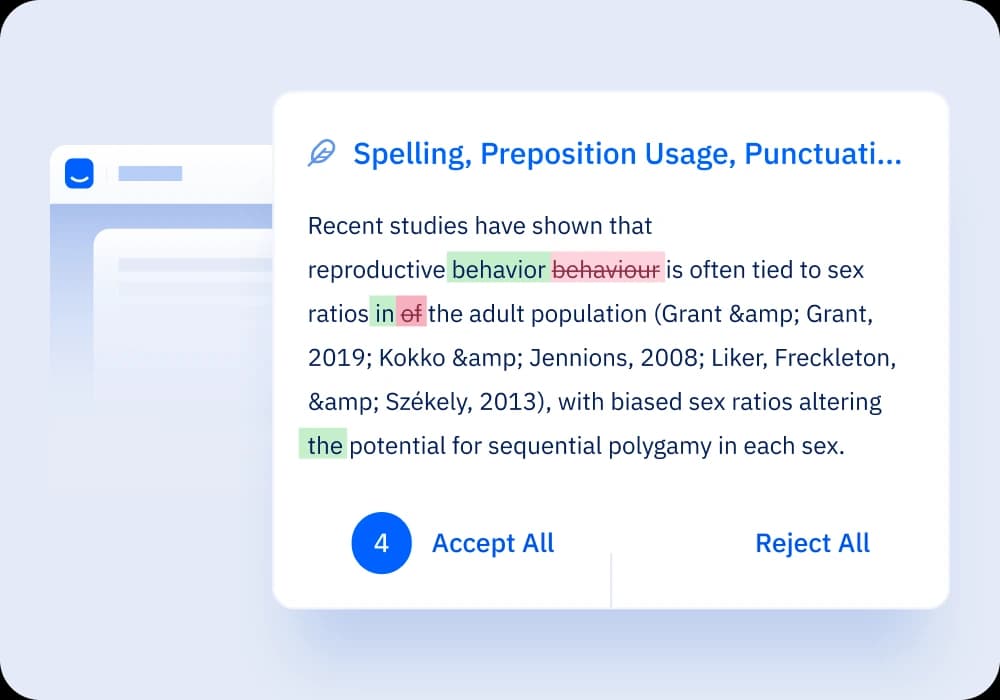
Paperpal focuses primarily on:
- Grammar correction
- Academic tone improvement
- Language refinement
- Journal submission readiness
Strengths:
- Strong language polishing
- Designed for academic writing
- Good for non-native English authors
Limitations:
- Does not handle literature reviews
- No integrated citation management
- Limited research discovery features
Paperpal is primarily a writing enhancement tool, not a full academic research platform.
3️⃣ Grammarly


Best for: General grammar correction
Grammarly is widely used for:
- Grammar checking
- Clarity suggestions
- Plagiarism detection
Strengths:
- Easy to use
- Integrates with browsers and Word
- Good for general writing
Limitations:
- Not research-focused
- No academic search tools
- No citation generation
It works well for polishing, but it is not specialized academic research software.
4️⃣ Elicit


Best for: Research discovery and structured review
Elicit helps researchers:
- Find relevant papers
- Extract structured data
- Assist with systematic reviews
Strengths:
- Strong AI search
- Structured evidence extraction
Limitations:
- Limited writing assistance
- No full manuscript editor
5️⃣ SciSpace


Best for: AI paper explanations and summaries
SciSpace offers:
- PDF explanations
- Research summaries
- Writing assistance
Strengths:
- Strong AI paper explanations
- Helpful for students
Limitations:
- Less integrated citation management
- Not fully end-to-end workflow
Comparison Table
| Feature | ResearchPal | Paperpal | Grammarly | Elicit | SciSpace |
|---|---|---|---|---|---|
| Literature Review | ✅ | ❌ | ❌ | ⚠️ (search-focused) | ⚠️ |
| Citation Generator | ✅ | ❌ | ❌ | ❌ | ⚠️ |
| Chat with PDF | ✅ | ❌ | ❌ | ⚠️ | ✅ |
| Grammar & Tone | ✅ | ✅ | ✅ | ❌ | ✅ |
| Academic Search | ✅ | ❌ | ❌ | ✅ | ⚠️ |
| End-to-End Workflow | ✅ | ❌ | ❌ | ❌ | ❌ |
How to Choose the Right Academic Research Software
The right tool depends on your needs.
Choose ResearchPal if you want:
- All-in-one research workflow
- Literature review generation
- Citation and writing tools integrated
Choose Paperpal if you need:
- Language polishing only
Choose Grammarly if you want:
- General grammar support
Choose Elicit if your priority is:
- Structured evidence extraction
Choose SciSpace if you want:
- PDF explanations and summaries
Final Thoughts
Academic research software is evolving rapidly. Some tools specialize in editing, others in discovery, and a few attempt to integrate the entire research lifecycle.
The best approach is not asking which tool is “best,” but which one fits your workflow.
Researchers who need discovery, writing, citation, and analysis in one place may benefit most from integrated platforms. Those who need targeted support may prefer specialized tools.
Understanding the differences allows you to choose strategically.
Related Reading
From The Web
- 10 Best Online Academic Research Tools and Resources in 2026
https://www.aiu.edu/blog/best-online-academic-research-tools
- 7 Reasons Your Writing Looks AI-Like (and How to Fix It Manually)

